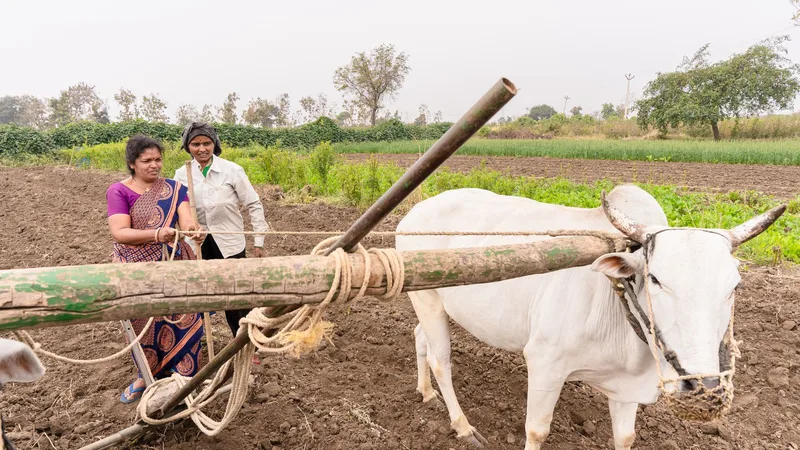
How can crofting education enhance community engagement? This question lies at the heart of understanding how rural practices can cultivate stronger ties among residents. By exploring the methods and benefits of crofting education, we uncover its transformative potential for communities
Crofting, with its deep-rooted traditions and practices, supports agricultural sustainability while fostering a sense of belonging. As communities engage with educational initiatives around crofting, they gain skills and knowledge applicable in various aspects of life, including economic opportunities.
The Role of Crofting Education in Community Development
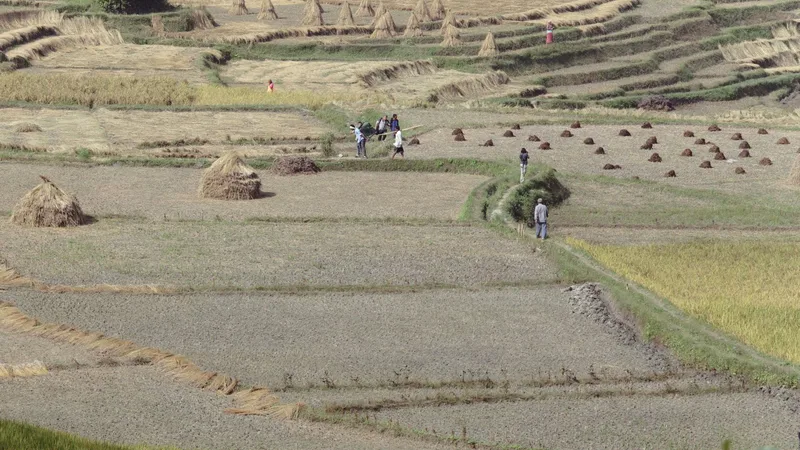
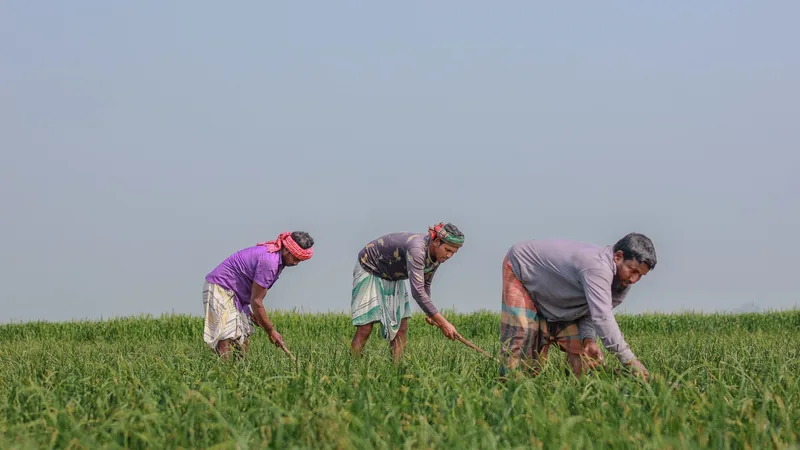
Crofting education plays a vital role in fostering development within rural communities. By imparting essential skills related to traditional farming practices, it helps residents maintain their heritage while adapting to modern demands. This educational approach preserves local knowledge and encourages sustainable practices that benefit both the environment and the economy. Engaging with crofting education empowers individuals and groups to make informed decisions about their land and resources.
One significant aspect of crofting education is its ability to create a sense of belonging among community members. Through shared learning experiences, individuals often form stronger connections, leading to a more cohesive community. These interactions can inspire collaborative projects, enhance local networks, and contribute to the overall well-being of the community. As people work together, they begin to see the value of their collective efforts in supporting each other’s growth.
Promoting Local Knowledge and Skills
By focusing on the transmission of local knowledge and skills, crofting education equips residents with the tools they need to thrive. Through workshops, hands-on training, and mentorship programs, community members learn about sustainable farming techniques, animal husbandry, and land management. This knowledge exchange helps preserve local traditions and fosters innovation as participants adapt these practices to contemporary challenges. As a result, communities become more resilient and better prepared for the future
Building Stronger Community Bonds
The impact of shared learning experiences in crofting education can be profound. When individuals come together to learn, they forge connections that transcend mere acquaintance. These bonds can lead to collaborative initiatives, such as community gardens, local markets, and skill-sharing programs. As people work side by side, they develop trust and mutual support, essential for a thriving community. A vibrant network of relationships increases participation in local events and initiatives, enriching the overall community experience.
Key Benefits of Crofting Practices for Residents
Residents of rural areas can reap numerous benefits from engaging in crofting practices. This traditional form of agriculture emphasizes sustainability and community well-being, making it vital to rural life. By adopting crofting methods, residents enhance their food security while promoting environmental stewardship. The integration of education into these practices amplifies their positive impacts, leading to stronger, more self-sufficient communities.
In addition to environmental benefits, crofting education opens up new economic avenues for locals. When residents gain skills and knowledge related to crofting, they can explore diverse opportunities that contribute to their livelihoods. This could include direct sales of produce, agritourism, or even engaging with emerging markets like online video poker, where rural communities can participate in casino entertainment that benefits local economies. 🌱
Sustainable Agricultural Practices
Crofting inherently supports sustainable agricultural practices that align with environmental conservation. By utilizing agroecological methods, crofters maintain soil health and promote biodiversity. This leads to healthier crops and protects local ecosystems from degradation. Educational programs emphasize the importance of crop rotation, organic farming, and permaculture techniques, allowing residents to adapt to climate challenges while sustaining their livelihoods. As a result, crofting practices contribute to long-term environmental health and community resilience
Economic Opportunities Through Learning
Education in crofting not only enhances agricultural skills but also opens doors to new economic opportunities for residents. By learning about value-added products, such as jams, cheeses, or artisanal goods, crofters can diversify their income streams. Additionally, with the rise of digital platforms and online gambling, such as iGaming and video poker, communities can explore innovative ways to engage with broader markets. This diversification can lead to increased economic stability, empowering residents to invest back into their communities and further local development.
How Can Crofting Education Enhance Community Engagement?
Crofting education plays a crucial role in fostering community engagement, particularly in rural areas. By providing knowledge and skills related to traditional farming and sustainable practices, these educational initiatives empower residents to connect with their heritage and contribute to their local communities. Engaging the community through crofting education preserves cultural practices and encourages collaboration among residents, ultimately strengthening social ties.
One of the most significant aspects of crofting education is its ability to engage younger generations. By involving youth in learning opportunities, communities instill a sense of pride and responsibility for their local environment. This engagement can take various forms, including workshops, hands-on projects, and mentorship programs that connect young people with experienced crofters.
Engaging Younger Generations
Involving youth in crofting education is essential for the sustainability of rural communities. Programs designed specifically for younger audiences often include interactive elements that make learning enjoyable and relevant. Participants engage in farm-to-table initiatives, where they learn about food production and nutrition. This hands-on approach fosters interest and builds a sense of community ownership. Additionally, youth involvement can lead to innovative ideas that keep traditional practices alive while adapting them to modern needs.
Collaborative Projects and Initiatives
Successful community projects often stem from collaborative efforts in crofting education. These initiatives can range from community gardens to educational workshops involving local schools, agricultural organizations, and government bodies. Such collaborations create a platform for knowledge exchange and resource sharing, enhancing the overall impact of educational efforts. Examples include joint festivals celebrating local produce and shared learning experiences promoting environmental stewardship and sustainability.
Success Stories of Crofting Education Programs
There are numerous success stories highlighting the positive outcomes of crofting education programs in various communities. These programs serve not only to educate but also to unify residents around common goals and shared values. The impact of these initiatives extends beyond education, fostering a sense of belonging and community identity. As these programs evolve, they adapt to meet the changing needs of their communities, showcasing resilience and innovation.
One notable case study is the implementation of a community cohesion program in Scotland, where educational efforts have transformed local engagement. This program has successfully brought together various demographics, creating a more inclusive atmosphere. By focusing on practical skills and knowledge sharing, the initiative empowered individuals to take an active role in their community, leading to increased participation in local events and decision-making processes.
Case Study: Community Cohesion in Scotland
The community cohesion program in Scotland exemplifies how crofting education can lead to tangible benefits. Through workshops and collaborative projects, residents have learned essential farming skills while forging strong relationships with one another. This sense of community has resulted in increased participation in local governance and cultural events. The program shows that when individuals feel connected to their roots, they are more likely to contribute positively to their community.
Innovative Approaches to Teaching Crofting
Current programs employ innovative methodologies to teach crofting, making learning more engaging and effective. Techniques such as experiential learning, where participants gain skills through direct experience, have gained popularity. Additionally, incorporating technology into education—such as online resources and virtual workshops—expands access for many. These innovative approaches ensure that crofting education remains relevant and appealing, particularly to younger audiences. 🌱
Exploring Connections to Casino Entertainment Through Education
Crofting and rural education play a significant role in strengthening community bonds and enhancing local engagement. By emphasizing shared knowledge and skills, these educational initiatives can lead to a more cohesive society, where individuals feel empowered to contribute. One intriguing aspect of this is how community engagement can extend beyond traditional learning environments and into responsible gaming practices. As more people turn to online platforms for entertainment, understanding the importance of community in these settings becomes increasingly vital.
Community education fosters a sense of responsibility among participants, encouraging them to approach gaming with a mindful attitude. This is particularly beneficial in the context of iGaming, where the potential for both enjoyment and risk exists. Here are some key ways in which community engagement can promote responsible gaming:
- Hosting workshops on responsible gaming practices.
- Creating support networks for individuals who may struggle with gambling.
- Encouraging open discussions about gaming habits and experiences.
- Providing resources for education on the risks associated with online gambling.
The Role of Community Engagement in iGaming
Community engagement in iGaming is essential for promoting a healthy gaming culture. By leveraging educational initiatives, communities can address the challenges that come with online gambling. This includes providing resources that help individuals make informed choices about their gaming activities. Additionally, fostering a sense of collective responsibility leads to shared values prioritizing well-being over profit. As gaming becomes ubiquitous, establishing a supportive community can significantly mitigate potential negative impacts.
Leveraging Skills for Online Video Poker
The skills developed through crofting education can be surprisingly beneficial in the context of online video poker. Strategic thinking, problem-solving, and resource management learned in the field translate well to gaming strategies. For instance, understanding risk assessment in crofting helps players make informed decisions about their bets. By applying these skills, players can enhance their gameplay and potentially improve their outcomes. It is essential to approach online gaming with the same mindset of careful planning and analysis crucial in crofting.