Building Stronger Communities Through Crofting Initiatives
Henry Hayes ·
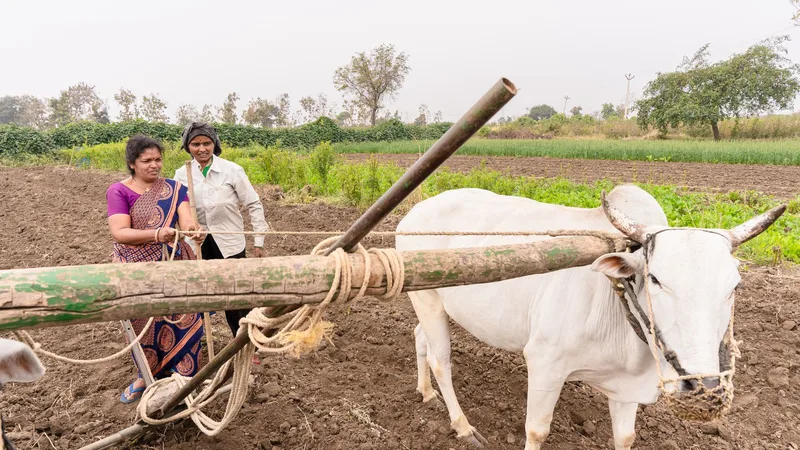
What role does education play in fostering community connections within crofting initiatives? Education is a vital component that strengthens rural communities, particularly in areas where crofting…
The Importance of Education in Crofting Communities
Education plays a vital role in the sustainability and growth of crofting communities. By focusing on skill development and knowledge sharing, these communities enhance agricultural practices and adapt to changing environmental conditions. The integration of educational initiatives empowers individuals and strengthens community bonds. Empowered crofters share their expertise with peers, creating a culture of learning that benefits everyone. This collective knowledge is crucial for maintaining the unique heritage of crofting
To support this educational framework, various programs have been established that focus on practical skills relevant to crofting. These initiatives enhance the capabilities of crofters, ensuring they are equipped to manage their land sustainably. Such programs often include hands-on workshops, mentorship opportunities, and resources tailored to the specific needs of rural communities. This comprehensive approach fosters a well-rounded understanding of modern agricultural practices.
Skill Development Programs
Skill development programs in crofting communities provide hands-on training and resources for individuals looking to enhance their agricultural skills. These programs cover a range of topics, including sustainable farming techniques, animal husbandry, and land management. By participating in these programs, crofters learn from experts and exchange knowledge with fellow participants. Practical workshops, online courses, and local training sessions are common formats for these initiatives. A recent workshop on organic farming techniques attracted participants from various crofting backgrounds, showcasing the community's commitment to innovation.
Knowledge Sharing Initiatives
Knowledge sharing initiatives are essential for fostering collaboration among crofters. These community-led efforts encourage individuals to exchange agricultural insights, best practices, and innovative techniques. Regular meetings, field days, and online forums serve as platforms for this exchange, allowing crofters to learn from each other’s experiences. A notable example is the establishment of local cooperatives that facilitate information sharing and resource pooling. Such initiatives enhance individual skills and strengthen community resilience, ensuring that traditional practices are preserved while embracing new methods.
Challenges Facing Rural Education
Rural education faces several challenges that can hinder the effectiveness of learning initiatives in crofting communities. Financial barriers often restrict access to quality educational resources and programs. Limited funding for local schools can create disparities in learning opportunities. Additionally, the geographical isolation of many crofting communities complicates access to educational facilities and expertise. These challenges necessitate a concerted effort to develop sustainable funding solutions and innovative educational strategies.
To address these challenges, stakeholders must consider various approaches to improve educational accessibility and quality. This may include advocating for increased government support, exploring alternative funding sources, and leveraging technology to reach remote learners. By prioritizing these strategies, crofting communities can work towards overcoming barriers and ensuring that education remains a cornerstone of their development. 🌱 Here are some key considerations:
- Identifying potential grants and funding opportunities.
- Encouraging partnerships with educational institutions.
- Utilizing online learning platforms to reach remote areas.
- Promoting community-based educational initiatives.
Funding and Resources
Funding and resources are critical components of effective education in rural areas. Many crofting communities struggle with limited financial support, leading to inadequate educational facilities. Schools may lack essential materials, qualified teachers, and access to technology. This financial strain significantly impacts the quality of education. As a result, it is crucial for community leaders to advocate for increased funding and seek innovative solutions to supplement educational resources.
Accessibility Issues
Geographic barriers present a significant challenge to educational accessibility in crofting communities. Many students live in remote areas, making it difficult to travel to schools or participate in educational programs. This isolation leads to lower enrollment rates and limited access to quality teaching. Additionally, transportation issues often exacerbate this problem. Addressing these accessibility issues requires creative solutions, such as mobile education units and community transport initiatives, to ensure that all individuals can benefit from educational opportunities.
Crofting and Rural Education: Building Community Identity
Crofting and rural education shape community identity, fostering a sense of belonging among residents. Through various educational initiatives, communities preserve their unique cultural heritage and ensure that traditional practices are passed down. This is essential for maintaining local identity and promoting social cohesion. By engaging with local history and customs, residents strengthen their connections to one another and the land they inhabit, creating a more resilient community.
Educational programs often serve as a platform for community engagement, providing opportunities for residents to come together and celebrate their heritage. These events create lasting bonds among participants, encouraging collaboration and support. As community members share knowledge and resources, they cultivate a spirit of unity that enhances the overall well-being of the area. This collaborative approach to education can lead to innovative solutions for local challenges, paving the way for a brighter future.
Cultural Preservation
Education serves as a crucial tool for cultural preservation, ensuring that local traditions are maintained. By incorporating traditional practices into educational curricula, communities keep their history alive. Workshops, storytelling sessions, and hands-on activities provide immersive experiences that connect participants with their roots. These initiatives enrich the learning experience and foster a deeper appreciation for local customs. As communities invest in cultural preservation, they strengthen their identity and sense of place.
Community Engagement
Educational events play a significant role in fostering community spirit by bringing residents together for shared experiences. These gatherings can include festivals, workshops, and lectures, all designed to promote learning and collaboration. By participating in these activities, community members engage with one another and build strong relationships. This sense of belonging can inspire individuals to contribute positively to their community. Engaging in education-focused events encourages a culture of support and empowerment, ultimately leading to a more vibrant community.
Innovative Approaches to Education in Crofting
Innovative approaches to education in crofting are essential for adapting to the changing needs of rural communities. By integrating new technologies and methodologies, educational programs can enhance learning opportunities and reach a broader audience. These advancements make education more accessible and encourage lifelong learning among residents. As communities embrace innovative strategies, they ensure that their educational offerings remain relevant and effective in fostering growth.
Collaboration with local organizations can further enhance educational initiatives, creating a network of support for both students and educators. By partnering with schools, businesses, and cultural institutions, communities leverage resources and expertise to improve educational outcomes. These partnerships can lead to unique programs that address local needs and interests, ultimately strengthening the fabric of the community. Collaborative efforts are key to building a sustainable educational framework for future generations.
Technology in Education
Utilizing technology in education presents exciting opportunities for enhancing learning experiences in crofting communities. Online resources, such as webinars and interactive platforms, provide access to a wealth of information that supplements traditional teaching methods. By incorporating digital tools into the curriculum, educators engage students in new ways. This broadens the scope of learning and prepares students for a technology-driven world. As technology integrates into education, communities foster a culture of adaptability and resilience.
Partnerships with Local Organizations
Collaborative efforts with local organizations significantly improve educational offerings in crofting communities. By working together, schools, businesses, and cultural institutions share resources, knowledge, and expertise. This synergy leads to programs tailored to the specific needs of the community, such as vocational training or environmental education. Engaging with local organizations fosters a sense of ownership and pride among residents, as they contribute to the growth of their community. These partnerships play a pivotal role in enhancing the overall educational landscape.
Connecting Education to Online Gaming Opportunities
Crofting and rural education foster community development and resilience. By integrating educational initiatives with innovative platforms, we can harness new opportunities for learning and engagement. One avenue worth exploring is the intersection of education and online gaming, where interactive technologies enhance traditional learning methods. This connection promotes knowledge and bridges gaps between generations, making learning accessible and engaging for all community members.
Incorporating online gaming into educational frameworks offers various benefits. For instance, it provides a platform for teaching important skills, such as critical thinking, teamwork, and problem-solving. By leveraging the interactive nature of these platforms, educators create immersive experiences that captivate learners. Additionally, community members can share their knowledge through these platforms, fostering a collaborative learning environment that transcends geographical barriers.
Learning Through Online Platforms
Online gaming can serve as a valuable educational tool by providing engaging content that complements traditional teaching methods. The interactive nature of these platforms allows learners to actively participate, making education enjoyable. Furthermore, online games can be tailored to include local history, culture, and practices, ensuring that the content is relevant. This approach bolsters academic performance and strengthens community bonds as participants collaborate and share their knowledge.
The Role of Online Video Poker in Community Engagement
Online video poker represents a unique opportunity for community engagement through gaming. By organizing community events around online gaming, residents build connections while enjoying a common interest. This form of entertainment generates discussions about responsible gaming practices and creates awareness around the benefits of social gaming. Hosting friendly video poker tournaments can foster teamwork and camaraderie, leading to stronger social ties.